
How Global Supply Chain Disruptions Are Reshaping Operations Strategy
Global supply chains have become more complex, interconnected, and vulnerable than ever before. In 2026, businesses are operating in an environment where disruptions are no longer rare events—they are ongoing risks shaped by geopolitical tensions, climate events, transportation constraints, labor shortages, and rapid shifts in demand.
Table Of Content
- The New Reality of Global Supply Chains
- Key sources of disruption include
- 1. Shift from Efficiency to Resilience
- Old model priorities
- New model priorities
- Why this shift matters
- 2. Regionalization and Nearshoring Trends
- Key approaches
- Operational benefits
- 3. Increased Use of Supply Chain Visibility Tools
- Modern systems provide
- Operational impact
- 4. AI-Driven Demand and Supply Forecasting
- AI helps businesses
- Why it matters
- 5. Diversification of Suppliers and Sourcing Strategies
- New strategies include
- Operational benefits
- 6. Inventory Strategy Redesign
- New inventory approaches
- Trade-offs
- 7. Logistics Network Optimization
- Key changes
- Operational impact
- 8. Digital Transformation of Supply Chain Operations
- Technologies include
- Benefits
- 9. Focus on Risk Management and Scenario Planning
- Common practices
- Why it matters
- 10. Sustainability and Supply Chain Ethics
- Key considerations
- Operational impact
- 11. Workforce Challenges in Supply Chain Operations
- Key issues
- Operational response
- 12. Customer Expectations and Supply Chain Pressure
- Expectations include
- Operational impact
- How AI Is Reshaping Supply Chain Strategy
- AI enables
- Challenges in Managing Modern Supply Chains
- 1. Increased complexity
- 2. Rising operational costs
- 3. Data fragmentation
- 4. Geopolitical unpredictability
- 5. Technology integration issues
- Best Practices for Modern Operations Strategy
- 1. Build resilient supply networks
- 2. Invest in real-time visibility tools
- 3. Diversify sourcing
- 4. Use AI for forecasting and optimization
- 5. Continuously evaluate risk
- Final Thoughts
As a result, operations strategy is undergoing a fundamental shift. Companies are moving away from purely cost-optimized global sourcing models toward more resilient, flexible, and intelligence-driven supply chain systems.
This article explores how global supply chain disruptions are reshaping operations strategy and what modern businesses are doing to adapt.
The New Reality of Global Supply Chains
Modern supply chains are no longer linear or predictable. They are dynamic networks influenced by multiple global factors.
Key sources of disruption include:
- Geopolitical instability
- Trade restrictions and tariffs
- Climate-related events
- Transportation bottlenecks
- Raw material shortages
- Energy price volatility
- Labor shortages in logistics and manufacturing
These disruptions can cascade quickly, affecting production, delivery timelines, and customer satisfaction.
1. Shift from Efficiency to Resilience

Traditionally, supply chain strategy focused on minimizing cost and maximizing efficiency.
Old model priorities:
- Lowest production cost
- Lean inventory levels
- Centralized manufacturing
- Just-in-time delivery
New model priorities:
- Risk diversification
- Supply chain redundancy
- Regional sourcing
- Buffer inventory strategies
Why this shift matters:
Businesses have realized that maximum efficiency often increases vulnerability. Resilience has become the new competitive advantage.
2. Regionalization and Nearshoring Trends
One of the most significant strategic changes is the move toward regional supply chains.
Key approaches:
- Nearshoring production closer to end markets
- Friendshoring with politically aligned countries
- Multi-regional supply networks
Operational benefits:
- Reduced transportation delays
- Lower geopolitical risk exposure
- Faster response to demand changes
- Improved regulatory alignment
While costs may increase slightly, stability and predictability improve significantly.
3. Increased Use of Supply Chain Visibility Tools
Visibility has become critical in managing disruptions.
Modern systems provide:
- Real-time shipment tracking
- Supplier performance monitoring
- Inventory visibility across regions
- Predictive delay alerts
Operational impact:
Businesses can now identify disruptions early and respond proactively rather than reactively.
4. AI-Driven Demand and Supply Forecasting
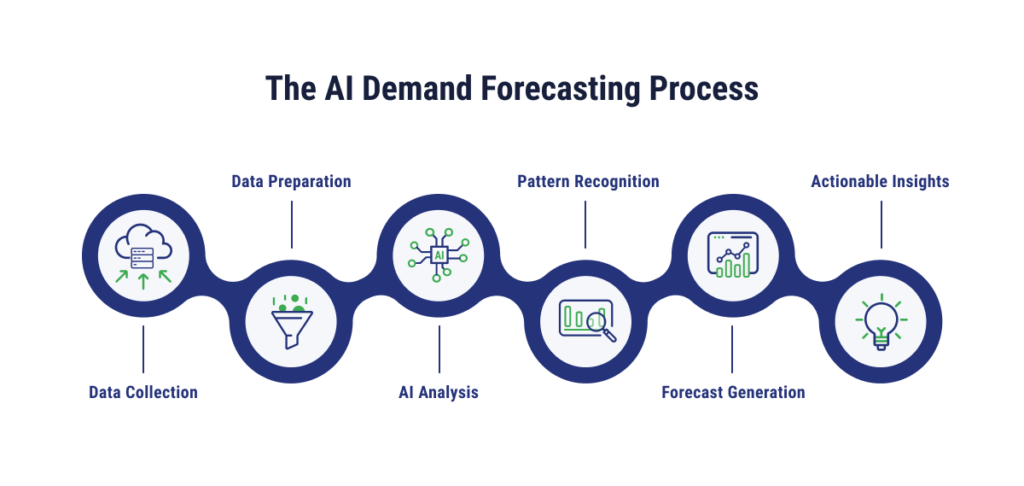
Artificial intelligence is transforming supply chain planning.
AI helps businesses:
- Predict demand fluctuations
- Anticipate supply shortages
- Optimize inventory levels
- Simulate disruption scenarios
Why it matters:
AI enables more accurate planning in an environment where historical data alone is no longer sufficient.
5. Diversification of Suppliers and Sourcing Strategies
Over-reliance on single suppliers has proven to be a major risk.
New strategies include:
- Multi-supplier sourcing models
- Geographic diversification of suppliers
- Secondary and backup supplier networks
Operational benefits:
- Reduced dependency risk
- Greater negotiation flexibility
- Faster recovery from disruptions
Supplier diversification is now a core operational requirement.
6. Inventory Strategy Redesign
The just-in-time model has been reassessed in many industries.
New inventory approaches:
- Safety stock optimization
- Strategic buffer inventory
- Dynamic replenishment systems
- AI-based inventory forecasting
Trade-offs:
- Higher holding costs
- Improved service continuity
- Reduced stockout risk
Companies are balancing efficiency with reliability.
7. Logistics Network Optimization
Transportation disruptions have forced companies to rethink logistics strategies.
Key changes:
- Multi-carrier shipping strategies
- Alternative transportation routes
- Regional distribution hubs
- Flexible logistics partnerships
Operational impact:
This reduces dependency on single routes or providers and improves delivery resilience.
8. Digital Transformation of Supply Chain Operations
Supply chains are becoming increasingly digital.
Technologies include:
- Internet of Things (IoT) sensors
- Blockchain tracking systems
- Cloud-based supply chain platforms
- Digital twins for simulation
Benefits:
- End-to-end visibility
- Improved traceability
- Faster decision-making
- Better risk management
Digital systems enable faster response to disruptions.
9. Focus on Risk Management and Scenario Planning
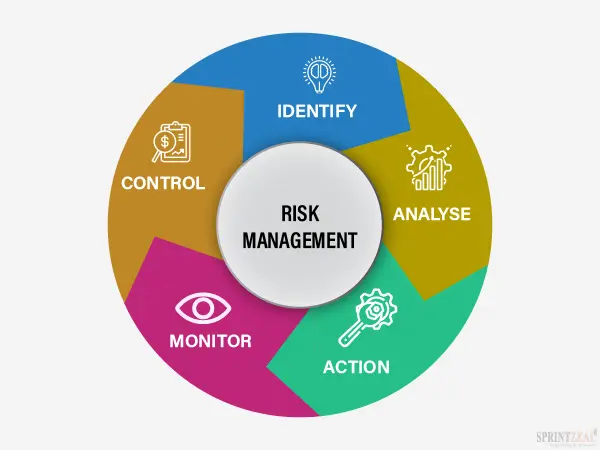
Operations strategy now includes structured risk planning.
Common practices:
- Scenario modeling for disruptions
- Stress testing supply chains
- Risk scoring for suppliers
- Contingency planning frameworks
Why it matters:
Businesses can prepare for multiple possible futures instead of relying on a single forecast.
10. Sustainability and Supply Chain Ethics
Sustainability is increasingly influencing supply chain decisions.
Key considerations:
- Carbon emissions in transportation
- Ethical sourcing practices
- Environmental regulations
- Resource efficiency
Operational impact:
Companies are redesigning supply chains to align with environmental and social governance goals, even if it increases short-term costs.
11. Workforce Challenges in Supply Chain Operations
Disruptions have also exposed labor vulnerabilities.
Key issues:
- Warehouse staffing shortages
- Skilled logistics workforce gaps
- Increased labor costs
Operational response:
- Automation in warehouses
- Robotics in logistics centers
- Upskilling supply chain workers
12. Customer Expectations and Supply Chain Pressure
Customers now expect fast, reliable delivery regardless of global conditions.
Expectations include:
- Accurate delivery timelines
- Real-time tracking updates
- Minimal delays
- Transparent communication
Operational impact:
Supply chain performance is now directly tied to customer experience and brand reputation.
How AI Is Reshaping Supply Chain Strategy
AI is central to modern supply chain transformation.
AI enables:
- Predictive disruption alerts
- Dynamic rerouting of shipments
- Automated procurement decisions
- Real-time optimization of inventory
This reduces response time and improves resilience.
Challenges in Managing Modern Supply Chains
1. Increased complexity
More suppliers, regions, and systems create coordination challenges.
2. Rising operational costs
Resilience often comes at a higher financial cost.
3. Data fragmentation
Inconsistent systems reduce visibility across the supply chain.
4. Geopolitical unpredictability
External risks are difficult to control or predict.
5. Technology integration issues
Legacy systems may not support modern supply chain tools.
Best Practices for Modern Operations Strategy
1. Build resilient supply networks
Prioritize stability alongside efficiency.
2. Invest in real-time visibility tools
Ensure end-to-end transparency across the supply chain.
3. Diversify sourcing
Avoid overdependence on single suppliers or regions.
4. Use AI for forecasting and optimization
Leverage predictive tools for smarter planning.
5. Continuously evaluate risk
Treat risk management as an ongoing process, not a one-time task.
Final Thoughts
Global supply chain disruptions have fundamentally reshaped operations strategy. What was once a focus on cost efficiency has evolved into a more balanced approach that prioritizes resilience, flexibility, and intelligence.
In 2026, successful businesses are those that can adapt quickly to disruption, leverage real-time data, and build diversified supply networks capable of withstanding global volatility.
While disruptions cannot be eliminated, their impact can be managed—and in many cases, turned into a competitive advantage. Organizations that invest in visibility, AI-driven planning, and resilient infrastructure are better positioned not just to survive uncertainty, but to thrive within it.
Ultimately, the future of operations strategy is not about avoiding disruption—it is about designing systems that remain strong and responsive no matter what disruptions occur.