

How Customer Expectations Are Driving Operational Change in Businesses
Customer expectations are evolving faster than most businesses can adapt. In 2026, customers expect instant responses, seamless digital experiences, personalized interactions, and near-perfect service quality across every channel. These expectations are no longer optional benchmarks—they are baseline requirements.
Table Of Content
- The New Era of Customer Expectations
- Today’s baseline expectations include
- 1. Speed Is Now a Core Competitive Factor
- Customers expect
- Operational impact
- 2. Rise of Omnichannel Operations
- Channels include
- Operational changes
- 3. Personalization at Scale
- Examples include
- Operational response
- 4. Demand for Real-Time Communication
- This includes
- Operational changes
- 5. Higher Expectations for Customer Support
- Customers expect
- Operational impact
- 6. Pressure for Operational Transparency
- Examples
- Operational response
- 7. Faster Product and Service Iteration
- Impact
- Operational changes
- 8. Increased Focus on Reliability and Consistency
- Operational implications
- 9. Data-Driven Decision-Making
- Key operational changes
- 10. Shift Toward Experience-Centric Operations
- This includes
- How AI Is Accelerating Operational Change
- AI enables
- Challenges Businesses Face
- 1. Operational complexity
- 2. Rising costs
- 3. Technology integration issues
- 4. Maintaining human touch
- 5. Data privacy concerns
- Strategies for Adapting Successfully
- 1. Aligning operations with customer journey
- 2. Investing in automation wisely
- 3. Building integrated systems
- 4. Prioritizing customer feedback
- 5. Focusing on scalability
- Final Thoughts
As a result, businesses are being forced to rethink and redesign their operations from the ground up. From supply chains to customer service workflows, nearly every part of operations management is being reshaped by what customers now consider “normal.”
This article explores how customer expectations are driving operational change, what businesses are doing in response, and what this shift means for long-term competitiveness.
The New Era of Customer Expectations
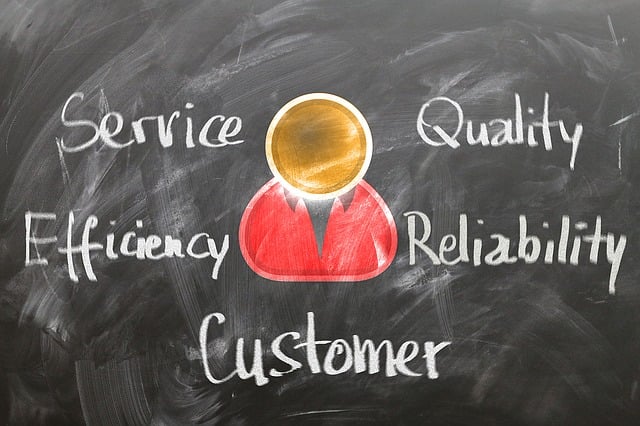
Modern customers are more informed, connected, and demanding than ever before. Digital transformation has raised expectations across industries.
Today’s baseline expectations include:
- Instant customer support
- Fast delivery and fulfillment
- Personalized experiences
- Seamless omnichannel interactions
- Transparent communication
- High product and service quality
- 24/7 availability
Customers no longer compare businesses within the same industry—they compare all digital experiences against the best ones they’ve ever had.
1. Speed Is Now a Core Competitive Factor
Speed has become one of the most important drivers of operational change.
Customers expect:
- Instant website loading
- Same-day or next-day delivery
- Immediate responses from support teams
- Real-time order tracking
Operational impact:
Businesses are restructuring workflows to eliminate delays, including:
- Automating fulfillment processes
- Using AI-powered customer support systems
- Optimizing logistics networks
- Reducing internal approval bottlenecks
Speed is no longer a performance advantage—it is a requirement.
2. Rise of Omnichannel Operations
Customers expect seamless interactions across multiple platforms.
Channels include:
- Websites
- Mobile apps
- Social media
- In-store experiences
- Live chat and messaging platforms
Operational changes:
Businesses are integrating systems to ensure:
- Consistent customer data across channels
- Unified communication history
- Synchronized inventory and order systems
- Centralized customer support platforms
Omnichannel operations eliminate friction and improve continuity.
3. Personalization at Scale
Customers now expect experiences tailored specifically to their needs.
Examples include:
- Product recommendations
- Personalized pricing and offers
- Customized content
- Adaptive user interfaces
Operational response:
Companies are leveraging AI and data analytics to:
- Segment customers in real time
- Predict buying behavior
- Automate personalized messaging
- Adjust services dynamically
Personalization has become a core operational capability rather than a marketing feature.
4. Demand for Real-Time Communication

Customers expect immediate updates and transparent communication.
This includes:
- Order status notifications
- Delay alerts
- Service updates
- Issue resolution tracking
Operational changes:
Businesses are implementing:
- Automated notification systems
- Real-time dashboards
- AI chatbots and virtual assistants
- Event-driven communication systems
Lack of transparency is now seen as poor service quality.
5. Higher Expectations for Customer Support
Customer support expectations have significantly increased.
Customers expect:
- 24/7 availability
- Fast resolution times
- Multichannel support options
- Accurate and consistent answers
Operational impact:
Support operations are evolving through:
- AI-powered chatbots for first-line support
- Automated ticket routing systems
- Knowledge base optimization
- Agent assist tools powered by AI
Support teams are shifting from reactive problem-solving to proactive assistance.
6. Pressure for Operational Transparency
Customers increasingly want visibility into processes.
Examples:
- Delivery tracking with real-time updates
- Transparent pricing models
- Clear return and refund policies
- Public service status pages
Operational response:
Businesses are investing in systems that:
- Expose internal workflows to customers
- Provide live tracking and updates
- Improve communication clarity
- Reduce uncertainty in service delivery
Transparency builds trust and reduces customer frustration.
7. Faster Product and Service Iteration
Customer feedback cycles are shorter than ever.
Impact:
Businesses must:
- Release updates more frequently
- Respond quickly to feedback
- Continuously improve products
- Test features in real time
Operational changes:
- Agile development workflows
- Continuous deployment pipelines
- AI-driven feedback analysis
- Rapid prototyping systems
Speed of iteration is now directly tied to customer satisfaction.
8. Increased Focus on Reliability and Consistency
Customers expect consistent experiences every time they interact with a business.
Operational implications:
- Standardized processes across teams
- Strong quality control systems
- Automated error detection
- Continuous performance monitoring
Reliability has become a key differentiator in competitive markets.
9. Data-Driven Decision-Making
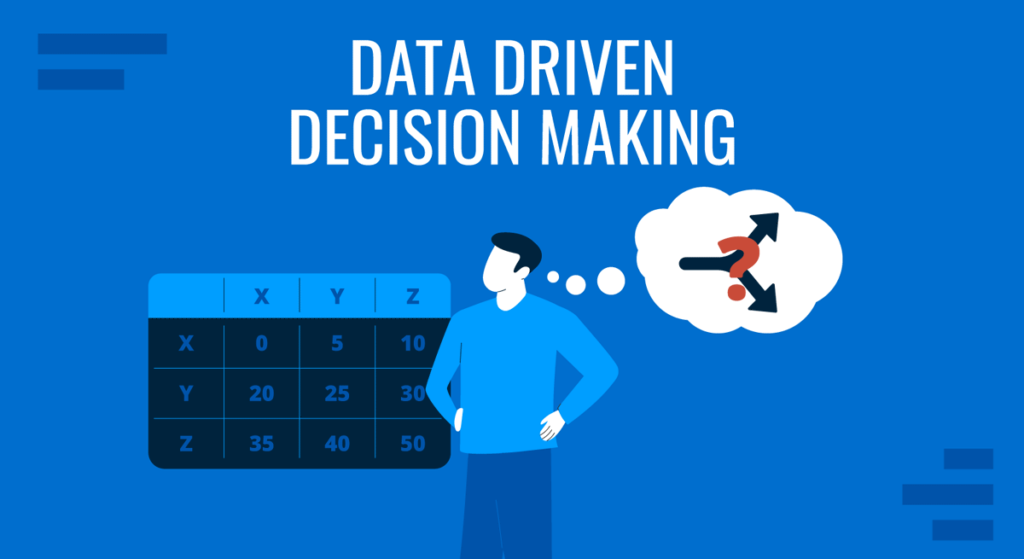
Customer expectations are forcing businesses to rely more heavily on data.
Key operational changes:
- Real-time analytics dashboards
- AI-based forecasting systems
- Customer behavior tracking
- Predictive service optimization
Decisions are increasingly based on behavior patterns rather than intuition.
10. Shift Toward Experience-Centric Operations
Operations are no longer focused solely on efficiency—they are focused on experience.
This includes:
- Reducing friction in customer journeys
- Improving usability across platforms
- Enhancing emotional satisfaction
- Designing customer-first workflows
Every operational decision now considers its impact on customer experience.
How AI Is Accelerating Operational Change
Artificial intelligence is a major force behind these transformations.
AI enables:
- Predictive customer behavior analysis
- Automated service responses
- Real-time personalization
- Intelligent workflow automation
- Faster decision-making processes
AI allows businesses to scale customer-centric operations without proportional increases in cost.
Challenges Businesses Face
Despite progress, several challenges remain.
1. Operational complexity
Integrating new systems across departments can be difficult.
2. Rising costs
Meeting high customer expectations often requires significant investment.
3. Technology integration issues
Legacy systems may not support modern operational models.
4. Maintaining human touch
Over-automation can reduce emotional connection with customers.
5. Data privacy concerns
Increased personalization requires careful handling of customer data.
Strategies for Adapting Successfully
Businesses can respond effectively by:
1. Aligning operations with customer journey
Map every operational process to customer touchpoints.
2. Investing in automation wisely
Automate repetitive tasks while preserving human oversight where needed.
3. Building integrated systems
Ensure data flows seamlessly across departments.
4. Prioritizing customer feedback
Use feedback loops to continuously improve operations.
5. Focusing on scalability
Design systems that can grow with increasing customer demand.
Final Thoughts
Customer expectations are no longer just influencing business operations—they are actively reshaping them. Speed, personalization, transparency, and consistency have become non-negotiable standards that define modern competitiveness.
In response, businesses are redesigning workflows, adopting AI-driven systems, and shifting toward experience-centered operational models. The companies that succeed are those that treat customer expectations not as pressure, but as a roadmap for innovation.
Ultimately, operational excellence in 2026 is defined by one core principle: businesses that align their operations with customer expectations will lead the market, while those that do not will struggle to keep up.